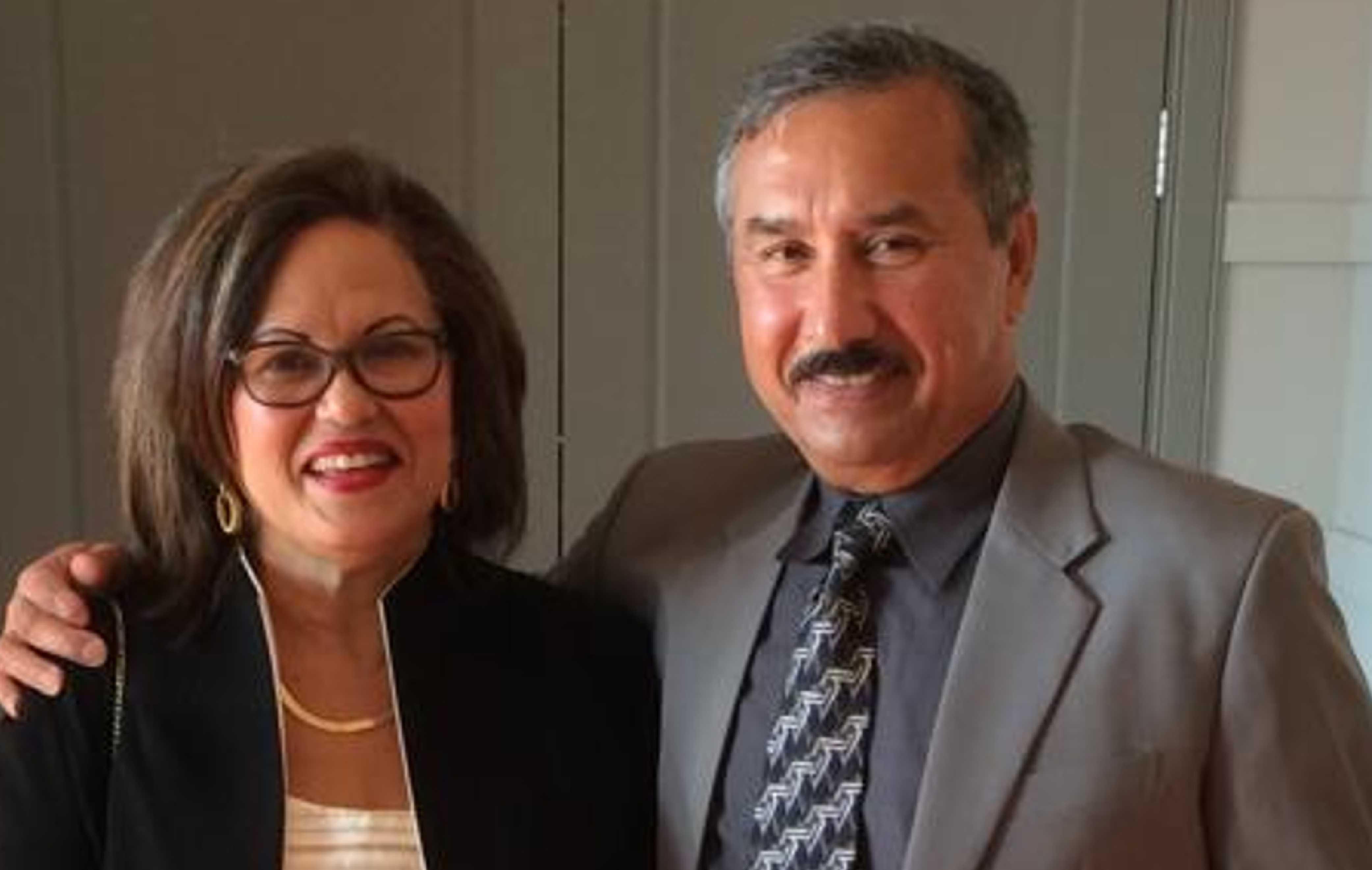
In Sheri Postma’s experience throughout numerous regions in Africa, this one medicine is top of her medication list. Running out of it is not an option. Buying it in-country is never preferred. She calls antimalarial medicine the most important medication she takes on trips.
In certain regions of Africa, she’s seen first-hand that no one is immune from malaria’s grip. But while malaria can kill, antimalarial medicines literally save lives. As she puts it, “It’s not just treating the symptoms, but it’s saving lives.”
The Killer No One Worries About
Sheri and the organization she founded, Mission Partners for Christ (MPFC), take medical teams multiple times a year to extremely remote regions of Africa where hospitals and clinics are scarce or absent. Together with indigenous missionary partners, who disciple the communities after the medical teams have left, they bring spiritual and physical hope in both the short and long-term through clinics, education, and discipleship. By partnering with the local missionaries who can speak the language and continue the work, Sheri sees firsthand the on-going opportunities and the hardships of each location. Malaria is a recurring theme.

“It’s heartbreaking,” she said.
In at least one island country—one she can’t publicly name—she’s seen the number of malaria cases increase over the course of three visits since 2019. Because they saw hardly any malaria patients on their first trip, they didn’t order any antimalarials for their second trip there in 2022. By their next visit in 2025, the situation had changed. “Now, there’s malaria. It’s so sad to see that.”
In many regions of Africa, malaria is not a probability, but a certainty. Not once in a lifetime. Not once a year. But for some, numerous times a year.
One of the local missionaries MPFC works with reported that his wife was hospitalized three times last year due to malaria, and they had a young child who died from the disease.
The Treatment Question
How bad does a case of malaria have to be before someone in Africa will seek testing or treatment?
For testing, the answer is surprising.
“[Locals] are used to the symptoms that they normally get with malaria,” Sheri told us. “They get it so often…they don’t go and get tested for malaria because they say that if they go and get tested…then they have to wait a day or two to get the result back, [when] they should have started the treatment.”
For treatment, it’s the all-too-common scenario of deciding between food for their family or medicine for themselves. Even sadder, sometimes they may make the wrong choice. There is always the likelihood that they or their family member will die, whether from not getting treatment or from purchasing counterfeit or substandard medicine.

If a family chooses treatment and is fortunate to live near a reputable pharmacy, the cost of antimalaria medicine can become a burden. If, in the course of a year, each family member gets malaria three to four times, the expense quickly multiplies.
Malaria is the leading cause of death in South Sudan—one of the countries MPFC visits—where 76.5% of the population lives on less than $3.00 USD per day and where the life expectancy is only 58 years. 2
It’s no wonder, then, that so many people—sometimes entire villages—show up at Mission Partners for Christ’s free clinic days. Sadly, there isn’t always enough medicine, manpower, or daylight to help everyone who waits in line for treatment and medications.
Kingdom Work…Halted by Malaria
Although malaria is a constant fact of life in Africa, it doesn’t mean the local missionaries’ lives aren’t sometimes turned up-side-down by it.

Because MPFC’s model is to stay in contact with communities and their partners (the indigenous missionaries), Sheri is constantly receiving field updates regarding missionaries and their families. “I’m not just hearing about malaria on our trips. I’m hearing about it all the time. [Missionaries] are sick. So it affects them being able to go out and do the work that God’s called them to do—to evangelize, church plant, do discipleship. …And God has called them specifically to do this work. And they’re working in some hard places.… They’re getting malaria at least three times a year. It can take them out fora couple weeks, not just a couple days. …[I hear] that their children have died from it, that their family member has been hospitalized.”
It’s happened to two partner missionaries MPFC works with in Burkina Faso. One of the translators/missionaries got married last year. His wife became pregnant with twins, but when she got malaria, one of the babies died in utero. And at the time of our interview with Sheri, she was sick again. “She’s thirty-three weeks along now. And she can’t be taking the malaria medicine…and she’s so scared.” Scared not only for the baby but for her own life too.
Another one of the missionary partners Sheri stays in contact with between trips works with his wife in the country of Burundi. He says his wife gets malaria constantly, sometimes not even going two weeks between bouts.
But the local missionaries keep going, keep serving, keep discipling, continuing the spiritual work begun at medical clinics even when their own health is fragile. And on the rare occasions when she has antimalarials left over at the end of a mission trip, Sheri leaves them specifically for the missionary partners. Not for “just in case” but for “next time.”
"Imagine your child dies from [malaria]. How does that affect you in going on to do the work that God's called you to do?"
Sheri Postma, RN
Founder, Mission Partners for Christ
The Medicine Gap: Why Quality Matters
According to Sheri, if a person lives in a city, it’s likely they’ll have access to a pharmacy. But if they ask the pharmacist for malaria medicine, there’s no guarantee that’s what they will receive. “The pharmacist wants to sell medication to make some money.”
Although clinics with consistent formularies are the best route, the next option for most people in rural Africa is medical mission teams. US-based medicines are trusted in foreign countries more than what is offered at independent pharmacies or from street venders. With mission teams, the care and medications are free—and the results are effective if teams are using FDA-approved, current-dated medications.
“The people will tell us, ‘The medicine you gave us, it worked. We’ve taken other medicine; it did not work.’”
Contrast that with some of the hospitals that Sheri has seen in Liberia. “You bring your own medicine and your own medical supplies. So [if] you need to have an IV started, you have to go to the pharmacy, buy your IV fluid, your IV tubing, your gloves, and maybe you’ll need an antibiotic. You have to buy all that and then you bring it to the hospital and then the healthcare worker will administer it to you.”
How We Maximize Teams’ Impact

Because malaria treatment is a critical part of every MPFC trip, Sheri and her team make use of the antimalarial special Blessings International puts on every spring in recognition of World Malaria Day. As a result of this offer, Sheri and her team receive a set amount of antimalaria medicine for free. Typically, she orders 200 treatments per trip, but sometimes, she digs deep into the budget and purchases 300 doses. “It’s so heavy on my heart,” she said. “I can’t have people that I’m turning away because I don’t have malaria medicine.”
Sadly, most of Africa is chloroquine resistant, which means that teams must take the more costly Coartem (artemether/lumefantrine) medication, which equates to $5.57 per person. Multiplied by 200, like MPFC’s minimum quantity, this becomes a $1,114 burden for only antimalarials each time their team makes a trip. Your donation can help offset this cost for MPFC and many other teams!
We can provide only in proportion to what we receive. Every year, we deplete our fund for supplying free antimalaria medications. The more you give to the Malaria Medicine fund the more we can give away.

Even though the need for antimalaria medication remains high, we have had to reduce the amount we can give, due to a reduction in donations received. Please help us reverse this trend.
Malaria: Preventable. Treatable. Will You Help?
Please help us provide free antimalarial medicine for teams like Mission Partners for Christ this spring! Donations allow teams to tangibly heal malaria, bringing hope and health in places like Africa, but also in South/Central America, Asia, and the Caribbean.
Spring is here, which means we’ve already begun our free antimalarial giveaway. The need is real. Please help us make an impact by providing malarial medications around the world.


1 Malaria Consortium. Malaria Consortium in South Sudan. https://www.malariaconsortium.org/userfiles/Malaria%20Consortium%20South%20Sudan%20Fact%20Sheet%20LR.pdf
2 World Bank Group.https://data.worldbank.org/country/south-sudan
3 World Health Organization. (2017, November 28). 1in 10 medical products in developing countries is substandard or falsified.https://www.who.int/news/item/28-11-2017-1-in-10-medical-products-in-developing-countries-is-substandard-or-falsified